


Introduction
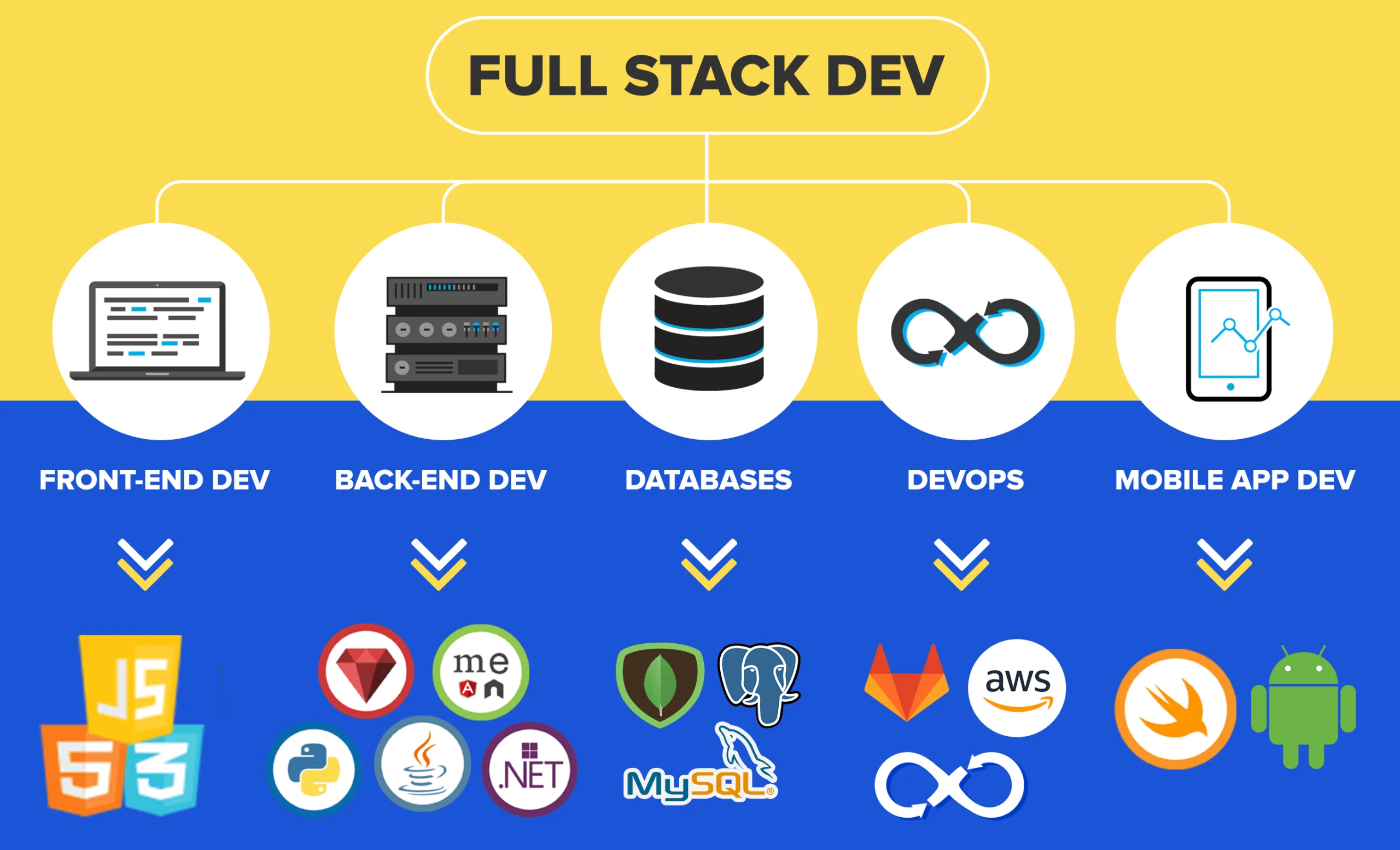
Today’s digital businesses demand more than basic web applications. Full‑stack development has evolved, incorporating new tools, cloud-native infrastructure, and automation. Knowing the latest frameworks and development practices is key for delivering robust, scalable applications in 2025.
Key Trends in Full‑Stack Development
- Modern Front‑End Frameworks
- Backend Microservices & Serverless Architecture
- Cloud-Native Infrastructure
- DevOps and CI/CD Integration
- Security and Performance Optimization
Tech Stack Choices
- Frontend: React, Vue, Svelte
- Backend: Node.js, Go, Python
- Infrastructure: Kubernetes, Docker, AWS Lambda
- DevOps: GitHub Actions, Terraform
Best Practices
- Design for observability
- Implement automated testing
- Maintain API versioning
- Prioritize scalable architecture
- Optimize both frontend and backend performance
How to Package Full‑Stack Development Services
- MVP development
- End-to-end custom web apps
- Cloud migration & modernization
- Performance and security optimization
Conclusion
The web is more complex than ever, and full-stack developers must adapt quickly. Embracing modern frameworks and scalable, secure architectures ensures your services remain future-ready.
